Introduction
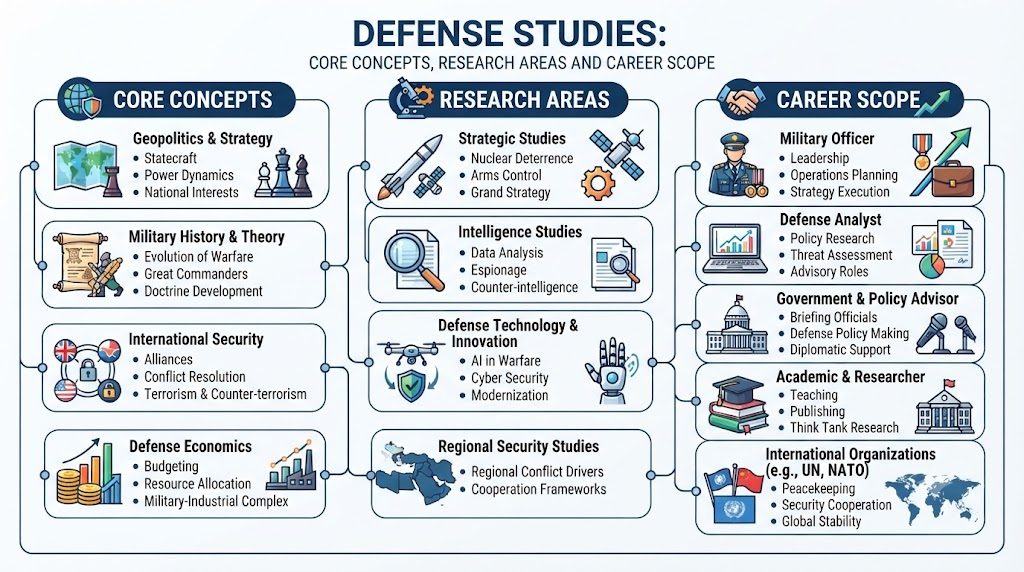
Military strategy forms the intellectual foundation of national defense, shaping how states and organizations allocate resources, deploy forces, and achieve long-term security objectives. For researchers, students, and analysts exploring defense studies through platforms like WarOpsX.com, understanding strategic planning requires looking beyond tactical engagements to examine the broader interplay of politics, economics, technology, and human leadership. This article explores the core components, historical development, organizational frameworks, and contemporary challenges associated with strategic military planning.
Understanding Military Strategy
Military strategy is the overarching plan and application of military force to secure national policy goals. Unlike tactics, which govern specific engagements on the battlefield, or grand strategy, which encompasses the mobilization of all national instruments of power—diplomatic, informational, military, and economic—military strategy focuses specifically on the deployment and management of armed forces to achieve favorable outcomes in conflict or deterrence. At its core, strategy bridges the gap between political objectives and military action. Carl von Clausewitz famously described war as the continuation of politics by other means, emphasizing that military power must always serve political leadership. Strategic planning involves calculating risks, evaluating capabilities, understanding adversaries, and determining how to apply available resources most effectively. In academic and professional defense studies, examining strategy helps analysts understand why certain campaigns succeed while others fail, how doctrines adapt to shifting geopolitical realities, and how military organizations prepare for uncertainty.
Historical Evolution of Strategic Thought
The evolution of military strategy reflects changes in technology, societal structures, and political philosophy. Ancient strategists focused primarily on terrain, troop discipline, and decisive battles. Texts such as Sun Tzu’s The Art of War emphasized indirect approaches, deception, and the psychological dimensions of conflict, while Western classical authorities like Thucydides analyzed the political dynamics of power and alliance systems. During the nineteenth and twentieth centuries, the Industrial Revolution transformed warfare. Mass mobilization, railways, telegraphs, and industrialized manufacturing expanded the scale of conflict, leading to doctrines of total war. Strategists had to account for national industrial capacity, complex supply chains, and large-scale mobilization. The advent of nuclear weapons in the mid-twentieth century introduced the concept of deterrence, fundamentally altering strategic thought. Rather than focusing solely on winning protracted wars, superpowers developed strategies designed to prevent conflict entirely through the credible threat of unacceptable retaliation.
Key Components of Strategic Planning
Developing an effective military strategy requires integrating several distinct elements:
Objectives and Ends
Every strategy begins with clearly defined political or security objectives. These goals determine the scale, duration, and scope of military involvement.
Ways and Concepts
The “ways” refer to the operational concepts and methods chosen to bridge objectives with available power. This includes deciding whether to pursue a strategy of attrition, exhaustion, maneuver, or direct confrontation.
Means and Resources
The “means” encompass the physical instruments of power, including personnel, equipment, industrial capacity, and financial resources. Strategists must operate within the limits of what a nation can realistically sustain.
Risk Assessment
Strategic planners must continuously evaluate potential risks, including unforeseen adversary reactions, logistical bottlenecks, and political consequences.
The Role of Military Operations
Military operations translate strategic theory into practical execution. An operation represents a coordinated military action designed to achieve a specific tactical or operational objective within a broader campaign. Operational art connects tactical battles to strategic goals, ensuring that individual engagements contribute meaningfully to the overarching political purpose. Historically, armies operated in relatively concentrated formations, but modern military operations require synchronized multi-service deployments across vast geographic areas. Understanding these operational frameworks allows analysts to evaluate how forces move, sustain themselves, and achieve decisive advantages without unnecessary exposure to risk.
Military Logistics and Support Systems
Throughout history, the outcome of conflicts has frequently been determined by logistics rather than battlefield heroics. Military logistics encompasses the procurement, maintenance, transportation, and medical support of military forces.
Effective logistical networks ensure that combat units receive ammunition, fuel, food, and replacement equipment precisely when needed. As military forces became more technologically advanced, logistical demands grew exponentially. Modern defense organizations rely on complex supply chains, advanced tracking systems, and robust infrastructure to maintain operational readiness across global theaters. Without reliable logistics, even the most sophisticated strategic plans fail.
Command and Control Systems
Command and Control Systems provide the organizational and technological framework through which leaders exercise authority, direct subordinate units, and maintain situational awareness.
Historically, command relied on couriers, visual signals, and simple maps. Today, command and control integrates secure communications networks, data processing systems, and decision-support software. These systems enable commanders to collect information from dispersed units, analyze rapidly changing conditions, and issue timely orders. Maintaining secure, resilient communication channels remains a primary focus of modern defense organization and management.
Intelligence, Surveillance and Reconnaissance (ISR)
Information gathering is essential for effective decision-making. Intelligence, Surveillance and Reconnaissance (ISR) encompasses the coordinated collection, processing, and dissemination of accurate data regarding adversary capabilities, terrain, and intentions.
- Surveillance involves systematic observation of aerospace, surface, or subsurface areas.
- Reconnaissance focuses on obtaining specific information about a target or activity through targeted missions.
- Intelligence involves analyzing raw data to provide actionable insights for strategic and operational planners.
In contemporary defense studies, ISR assets range from long-range sensors and aerial platforms to advanced data analytics, providing decision-makers with the situational awareness required to anticipate challenges and respond appropriately.
Defense Technology and Modern Military Systems
Technological innovation has continually reshaped military capabilities and organizational structures. From the introduction of gunpowder and ironclad warships to modern digital networks, technology influences how forces train, fight, and deter potential adversaries.
Modern defense technology includes advanced sensors, precision-guided systems, secure communication protocols, simulation environments, and data management tools. While technological superiority provides distinct advantages, it also introduces challenges related to cost, maintenance, and technological dependency. Defense analysts study these developments to understand how modernization efforts impact global stability and strategic balance.
Military Organizational Structure
A nation’s military organizational structure dictates how authority is distributed, how forces are trained, and how different branches coordinate their efforts. Most modern defense organizations are divided into distinct services—such as land, naval, and air forces—supported by specialized administrative, logistical, and technical commands.
Hierarchy, chain of command, and standardized roles ensure that large organizations can function efficiently under high-stress conditions. Over time, military organizations adapt their structures to accommodate new technologies, shifting threat environments, and changing geopolitical responsibilities.
Multidomain Operations
Contemporary defense studies increasingly focus on Multidomain Operations, a framework that emphasizes the coordinated application of military capabilities across multiple environments: land, sea, air, space, and cyberspace.
Adversaries rarely operate within a single domain, requiring defense organizations to achieve seamless integration across all operational spheres. For example, a naval operation may rely on space-based communication satellites, cyber defense protocols to protect networks, and land-based logistical support. Understanding multidomain coordination is vital for modern strategic analysis.
Comparative Analysis of Strategic Approaches
To understand the evolution of defense planning, it is useful to examine how traditional approaches compare with modern methodologies across key operational factors.
| Factor | Traditional Approach | Modern Approach |
| Primary Focus | Mass mobilization and direct territorial control | Multi-domain integration and strategic deterrence |
| Communication | Linear, hierarchical, and dependent on physical messengers | Decentralized, networked, and digitally encrypted |
| Information Gathering | Manual observation, scout reports, and basic mapping | Multi-source ISR, sensor networks, and data analytics |
| Logistics | Stockpile-heavy, regional supply depots | Just-in-time provisioning and global supply chains |
| Organizational Structure | Rigid, service-specific hierarchies | Joint-force integration and specialized task forces |
| Decision Support | Centralized human estimation and paper-based planning | Data-driven decision support and simulation modeling |
Common Challenges in Defense Studies
Researchers and analysts examining military strategy and defense topics frequently encounter several recurring obstacles:
- Navigating Complex Terminology: Military and defense literature is filled with specialized acronyms, technical jargon, and evolving doctrinal definitions that require careful study to interpret accurately.
- Distinguishing Fact from Speculation: Publicly available information regarding modern defense capabilities often mixes verified data with unverified speculation or political rhetoric.
- Understanding Historical Context: Applying historical military lessons to modern scenarios requires recognizing how technological, political, and cultural conditions have changed.
- Managing Information Overload: The proliferation of digital sources makes identifying reliable, objective analysis increasingly difficult for researchers.
Best Practices for Defense Studies Research
Conducting rigorous and responsible research in military strategy and defense studies requires adherence to established academic standards:
- Rely on Credible Sources: Prioritize government publications, peer-reviewed academic journals, established defense institutes, and official historical archives.
- Verify Historical Claims: Cross-reference dates, locations, and outcomes across multiple reputable historical references.
- Maintain Contextual Awareness: Evaluate strategies and technologies within the political and economic environment of their time.
- Distinguish Fact from Interpretation: Clearly separate verifiable historical events from analytical commentary and scholarly debate.
- Evaluate Publication Dates: Ensure that technology-related research reflects current, verified capabilities rather than outdated projections.
Frequently Asked Questions
What is the primary purpose of military strategy?
Military strategy serves to connect national political goals with the effective deployment and management of armed forces, ensuring that military power supports broader security objectives.
How does military strategy differ from tactics?
Military strategy encompasses the overarching plan and long-term goals of a campaign or conflict, whereas tactics focus on the specific methods and actions executed during individual engagements.
Why is logistics considered vital in military planning?
Logistics ensures that forces are adequately supplied with fuel, ammunition, food, and maintenance support. Without reliable logistical networks, even the most well-designed strategic plans cannot succeed in the field.
What does Command and Control involve?
Command and Control encompasses the organizational structures, communication networks, and decision-support tools that allow leaders to exercise authority and direct subordinate units effectively.
What is the role of Intelligence, Surveillance and Reconnaissance (ISR)?
ISR activities involve gathering, processing, and analyzing information regarding adversary capabilities, terrain, and intentions to provide decision-makers with essential situational awareness.
What are Multidomain Operations?
Multidomain Operations refer to the coordinated application of military capabilities across land, sea, air, space, and cyberspace to achieve strategic objectives in complex environments.
How has technology influenced modern defense studies?
Technology impacts defense studies by introducing new operational capabilities, altering logistical demands, changing communication structures, and requiring continuous adaptation in strategic doctrine.
What constitutes a reliable source for military research?
Credible research sources include official government publications, peer-reviewed academic journals, established defense research organizations, and reputable historical archives.
Conclusion
Military strategy remains a dynamic and essential field of study for understanding international security, statecraft, and defense management. By examining the historical evolution of strategic thought, the critical role of logistics and command systems, and the complexities of modern multidomain operations, researchers can gain a deeper appreciation for how nations address security challenges. Approaching these topics with intellectual rigor, reliance on verified sources, and an understanding of broader historical context ensures a balanced and informed perspective on defense studies.