Introduction
When someone faces a serious neurological condition, finding the right medical care can feel overwhelming for both patients and their families. Choosing a qualified hospital and an experienced specialist is an important step toward getting proper evaluation and treatment. By comparing different facilities, doctors, and available services, patients can make more confident healthcare decisions. Platforms like BrainSurgeryHospitals are designed to help people research and explore neurosurgical hospitals and specialists based on their unique needs. This guide will walk you through the key factors to consider when researching brain surgery hospitals and neurosurgeons to find the right care environment.
Why Choosing the Right Brain Surgery Hospital Matters
Finding a specialized medical facility is vital when dealing with complex conditions affecting the brain and spine. Not all medical centers offer the same level of specialized care, advanced technology, or dedicated neurosurgical support.
When researching brain surgery hospitals, patients and families should look closely at several core elements:
- Neurosurgical Expertise: The presence of trained and experienced brain surgeons and support teams who regularly handle complex cases.
- Diagnostic Capabilities: Access to advanced imaging tools like high-resolution MRIs and CT scans for accurate evaluations.
- Treatment Options: Availability of a wide range of medical, surgical, and minimally invasive care paths.
- Intensive Care and Support: Specialized neurological intensive care units (ICUs) equipped to monitor patients closely after procedures.
- Rehabilitation Services: On-site or affiliated physical, occupational, and speech therapy programs to support recovery.
- Location and Accessibility: Proximity to home for easy travel during consultations and follow-up visits.
Every patient’s medical situation is unique, and a facility that excels in one area may focus on different specialties. Careful research helps ensure that the chosen hospital matches the specific diagnosis and care requirements.
How to Compare Neurosurgery Hospitals
Comparing medical facilities requires looking beyond advertisements and focusing on practical, patient-centered details. A structured approach helps families weigh their options objectively.
When evaluating different neurosurgery hospitals, consider the following factors:
- Specialized Departments: Check if the hospital has dedicated units for neurology, neurosurgery, and critical care.
- Doctor Credentials: Review the backgrounds, board certifications, and areas of focus of the practicing specialists.
- Technological Infrastructure: Look for modern operating rooms equipped with advanced surgical microscopes, navigation systems, and monitoring tools.
- Patient Support Services: Determine if the hospital provides dedicated care coordinators, social workers, or patient navigation support.
- Post-Operative Care: Assess the quality and availability of step-down units and recovery wards.
- Accessibility of Information: Transparent hospitals usually provide clear details about their departments, visiting policies, and support services.
Choosing the right facility depends heavily on the individual’s exact diagnosis, overall health, and recommendations from primary care physicians.
How to Find Experienced Brain Surgeons and Neurosurgeons
The skill and experience of the surgical team play a major role in patient safety and treatment success. Finding the right specialist involves looking into their professional background and communication style.
When researching brain surgeons and neurosurgeons, keep these considerations in mind:
- Area of Specialization: Some specialists focus on tumor removal, while others concentrate on vascular conditions, epilepsy, or spine disorders.
- Procedure Volume and Experience: Inquire about their familiarity with treating specific conditions similar to your diagnosis.
- Hospital Affiliations: Verify which accredited medical centers the specialist operates in.
- Approach to Treatment: Look for doctors who take the time to explain diagnoses, discuss various treatment options, and answer questions thoroughly.
- Communication and Empathy: A supportive doctor-patient relationship helps ease anxiety for both patients and their families.
Always consult multiple qualified sources and verify credentials through official medical boards before making a final decision.
Finding Brain Tumor Surgery Hospitals
A brain tumor diagnosis requires careful planning and access to multidisciplinary medical teams. Selecting the right facility can greatly influence the management and outcome of care.
When evaluating brain tumor surgery hospitals, consider these key areas:
- Multidisciplinary Tumor Boards: Facilities that bring together neurosurgeons, oncologists, radiologists, and pathologists to review cases collaboratively often provide comprehensive insights.
- Advanced Diagnostic Tools: Precision imaging helps specialists map tumor locations relative to critical brain pathways.
- Surgical Precision Technology: Look for centers that utilize modern intraoperative imaging and mapping tools to protect healthy brain tissue.
- Comprehensive Care Pathways: Access to supportive therapies, counseling, and rehabilitation services under one roof.
It is important to remember that surgery is not always necessary or immediate for every brain tumor. Treatment depends heavily on the tumor’s type, size, location, and the patient’s overall health as evaluated by a specialist.
Understanding Brain Tumor Treatment Options
Treatment plans for brain tumors vary significantly from person to person. A personalized approach ensures that the medical team addresses the specific characteristics of the condition.
Common treatment approaches evaluated by medical specialists include:
- Observation and Monitoring: In cases of slow-growing or non-cancerous tumors, doctors may recommend regular imaging scans to monitor any changes over time.
- Surgical Removal: When appropriate, surgery aims to remove as much of the tumor safely as possible while preserving neurological function.
- Radiation Therapy: High-energy rays are sometimes used to target and shrink remaining tumor cells or treat tumors that cannot be safely operated on.
- Drug-Based Treatments: Medications, targeted therapies, or chemotherapy may be recommended based on the specific pathology of the tumor.
- Supportive Care: Therapies focused on managing symptoms, improving comfort, and maintaining daily function.
Decisions regarding brain tumor treatment are made after thorough diagnostic testing and detailed discussions between the patient, family, and the medical team.
What to Know About Brain Aneurysm Surgery
A brain aneurysm is a bulge or ballooning in a blood vessel in the brain. Understanding how specialists evaluate these conditions can help patients navigate their care options calmly.
Key aspects of managing and treating brain aneurysms include:
- Diagnostic Imaging: Specialized scans, such as CT angiograms or MR angiograms, help doctors view the size, shape, and exact location of the aneurysm.
- Careful Monitoring: Unruptured, small aneurysms with a low risk of complications may sometimes be monitored regularly with imaging rather than treated immediately.
- Surgical Clipping: A neurosurgeon places a tiny metal clip at the base of the aneurysm to stop blood flow into it.
- Endovascular Procedures: Specialists may thread a catheter through blood vessels to place tiny coils or stents inside the aneurysm to block blood flow.
- Post-Procedure Follow-Up: Long-term monitoring ensures the treated area remains stable.
Not every aneurysm requires immediate surgery. If you experience sudden, severe symptoms like a severe headache, seek immediate emergency medical attention.
Understanding Epilepsy Surgery
For individuals whose seizures cannot be adequately controlled with medication alone, evaluating surgical options can be an important next step.
Important elements of epilepsy care include:
- Comprehensive Specialist Evaluation: Neurologists and epileptologists perform thorough testing to pinpoint the exact area of the brain where seizures originate.
- Seizure Monitoring: Video-EEG monitoring records brain activity during seizure episodes.
- Advanced Brain Imaging: Specialized MRI scans help identify structural causes or abnormalities linked to seizures.
- Surgical Options: Procedures may involve removing the seizure focus or utilizing responsive neurostimulation devices.
- Recovery and Rehabilitation: Post-surgical care focuses on monitoring seizure frequency and helping patients adapt.
Surgery is carefully considered on a case-by-case basis and is generally explored only after medication trials have not provided adequate seizure control.
Minimally Invasive Brain Surgery
Advancements in medical technology have introduced less invasive approaches for treating various neurological conditions.
Key aspects of minimally invasive brain surgery include:
- Smaller Incisions: Techniques often involve smaller openings or natural nasal pathways (endoscopic approaches) to reach targeted areas.
- Specialized Tools: The use of high-definition endoscopes and tubular retractors helps minimize disruption to surrounding healthy brain tissue.
- Potential Benefits: These methods can sometimes lead to shorter hospital stays and quicker initial recovery times compared to traditional open surgery.
- Patient Suitability: Not every condition or patient is suited for minimally invasive techniques. The choice depends strictly on the location, size, and nature of the condition.
An in-depth discussion with a qualified neurosurgeon helps determine which surgical approach is safest and most effective for an individual’s specific needs.
When a Neurosurgery Second Opinion May Help
Seeking a second opinion is a common and encouraged practice in medicine, especially when facing complex or life-changing neurosurgical decisions.
A second opinion can be useful for:
- Clarifying Diagnoses: Ensuring that all imaging scans and test results have been thoroughly interpreted.
- Exploring Alternative Treatments: Learning about different surgical or non-surgical options available at other specialized centers.
- Confirming Recommendations: Gaining peace of mind regarding whether surgery is necessary or if monitoring is a safe alternative.
- Preparing Questions: Helping patients and families gather more information before committing to a specific care plan.
Seeking another perspective does not mean the initial doctor was wrong; rather, it is a way to ensure confidence and clarity before moving forward.
How Location, Specialty, and Treatment Needs Affect Your Choice
No single hospital is the universal right choice for every patient. Selecting a facility involves balancing medical necessity with practical life factors.
When weighing options, consider how these elements interact:
- Nature of the Condition: A patient needing specialized epilepsy surgery may look for centers with dedicated epilepsy monitoring units, whereas someone needing aneurysm care may prioritize neurovascular expertise.
- Hospital Location: Being close to family support networks can greatly benefit recovery, though traveling to a distant specialized center may be necessary for ultra-complex procedures.
- Follow-Up Care Needs: Long-term rehabilitation and physical therapy availability near home simplify post-operative care.
Carefully matching personal health needs with hospital capabilities leads to safer and more comfortable care experiences.
What Questions Should You Ask Before Choosing a Neurosurgical Hospital?
Having a clear list of questions during consultations helps patients and families gather essential information to make informed choices.
Consider asking your doctor or hospital representatives the following questions:
- How frequently does your team treat this specific neurological condition?
- What diagnostic and imaging facilities are available on-site?
- What surgical approach do you recommend, and what are the potential risks?
- What does the typical recovery process look like in the hospital and after discharge?
- What rehabilitation and follow-up support services do you provide?
- How does the hospital manage post-operative pain and critical care monitoring?
- Can you connect us with patient support resources or care coordinators?
- What are the expected timelines for scheduling evaluations and procedures?
- Does the hospital coordinate care with local primary physicians for ongoing follow-up?
- What insurance plans and financial counseling services are accepted?
How BrainSurgeryHospitals Helps People Research Their Options
Navigating the healthcare landscape to find appropriate neurological care can be challenging. BrainSurgeryHospitals serves as a helpful digital resource designed to simplify this search process.
The platform assists users by:
- Providing structured ways to research and explore brain surgery hospitals and neurosurgery hospitals across various locations.
- Helping users find qualified brain surgeons and neurosurgeons based on their professional focus.
- Offering educational overviews regarding brain tumor treatment, brain aneurysm surgery, and epilepsy surgery.
- Explaining modern techniques such as minimally invasive brain surgery and the role of a neurosurgery second opinion.
- Empowering patients and caregivers with clear information before they consult medical professionals.
The website acts as an informational guide to help individuals compare their options and take informed steps toward specialized neurological care.
Neurosurgical Care Comparison Table
| Neurosurgical Need | Things to Check |
| Brain Tumor Care | Neurosurgical expertise, comprehensive diagnosis, treatment options, follow-up support |
| Brain Aneurysm | Advanced imaging, specialist expertise, monitoring vs. treatment approaches |
| Epilepsy Surgery | Specialist evaluation, seizure testing, multidisciplinary care, post-surgical support |
| Minimally Invasive Surgery | Relevant surgical expertise, available equipment, patient suitability |
| Second Opinion | Medical records review, imaging re-evaluation, alternative treatment discussion |
Neurosurgical Care Focus Chart
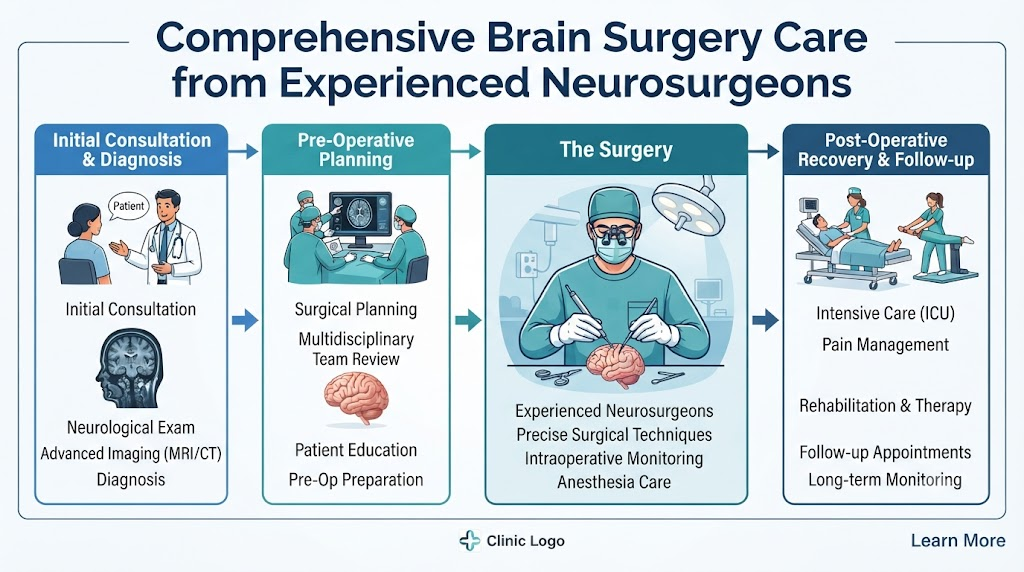
[Diagnostic Evaluation] ──> [Specialist Consultation] ──> [Treatment Planning] ──> [Surgical/Non-Surgical Care] ──> [Rehabilitation & Follow-Up]
Note: This chart illustrates the general, step-by-step pathway patients typically follow when navigating neurosurgical care, from initial testing to long-term recovery.
Frequently Asked Questions — Primary FAQs
What are brain surgery hospitals?
Brain surgery hospitals are specialized medical facilities equipped with advanced operating rooms, neuro-intensive care units, and experienced surgical teams dedicated to treating complex conditions of the brain and spine.
How do neurosurgery hospitals differ from general hospitals?
Neurosurgery hospitals feature specialized neurological departments, advanced brain imaging technology, and dedicated surgical specialists who focus specifically on disorders of the nervous system.
What should I look for in brain tumor surgery hospitals?
Key factors include neurosurgical expertise, multidisciplinary tumor boards, advanced diagnostic imaging, precision surgical tools, and comprehensive post-operative rehabilitation support.
How do I find qualified brain surgeons?
You can research brain surgeons by checking their board certifications, professional experience, hospital affiliations, and feedback from patient consultations or medical board directories.
What qualifications should neurosurgeons possess?
Neurosurgeons should hold proper medical degrees, specialized residency training in neurosurgery, state medical licenses, and board certification in neurological surgery.
What is involved in brain tumor treatment?
Brain tumor treatment may involve regular monitoring, surgical removal, radiation therapy, medication-based treatments, or supportive care, determined by a specialist team based on tumor type and location.
When is brain aneurysm surgery considered?
Surgery or endovascular treatment may be considered when diagnostic imaging reveals an aneurysm with a risk of rupture, evaluated carefully against the patient’s overall health.
What is epilepsy surgery?
Episodic surgery is a procedure considered for individuals whose seizures are difficult to control with medications, aiming to remove or disconnect the specific area of the brain causing seizures.
What is minimally invasive brain surgery?
It is an advanced surgical approach using smaller incisions, endoscopes, and specialized tools to treat brain conditions while minimizing disruption to surrounding healthy tissue.
Why might I need a neurosurgery second opinion?
A second opinion helps confirm diagnoses, explore alternative treatment approaches, and provide added confidence before making important medical decisions.
How do I compare neurosurgical hospitals effectively?
Compare hospitals by evaluating their specialized departments, doctor credentials, technology, patient support services, location, and rehabilitation programs.
How do I choose the right neurosurgeon for my care?
Choose a neurosurgeon by verifying their experience with your specific condition, reviewing their communication style, and ensuring they practice at an accredited hospital.
Frequently Asked Questions — Related FAQs
How do I start comparing brain surgery hospitals in my area?
Start by identifying local or regional medical centers with dedicated neurosurgery departments and reviewing their available services and specialist profiles online or through reliable healthcare directories.
What should I check before choosing a neurosurgery hospital?
Check hospital accreditations, availability of neuro-ICUs, technology standards, rehabilitation services, and whether the facility regularly manages your specific medical condition.
How can I verify a neurosurgeon’s professional background?
You can check state medical board websites, hospital staff directories, and professional medical association listings to verify licensing, training, and board certification.
Does hospital location matter for neurosurgical care?
Yes, location affects how easily family members can visit during recovery and how convenient follow-up appointments will be, though specialized care may sometimes require travel to a regional center.
What diagnostic facilities are important in neurosurgery hospitals?
Important diagnostic tools include high-field MRI scanners, CT angiograms, PET scans, and specialized electrophysiology equipment for mapping brain function.
What factors influence brain tumor treatment decisions?
Decisions are influenced by the tumor’s type, size, exact location, genetic markers, and the patient’s age and overall health status.
Can brain aneurysms be treated without open surgery?
Yes, many aneurysms can be treated using minimally invasive endovascular procedures, such as coiling, depending on the aneurysm’s size and shape.
What tests are done before epilepsy surgery?
Pre-surgical evaluations often include video-EEG monitoring, high-resolution MRIs, neuropsychological testing, and specialized functional brain scans.
Are minimally invasive neurosurgical procedures suitable for everyone?
No, suitability depends entirely on the specific medical condition, its location, and the patient’s individual anatomical characteristics as assessed by a specialist.
What kind of follow-up care is needed after neurosurgery?
Follow-up care typically includes routine clinical check-ups, follow-up imaging scans, and rehabilitation therapies such as physical, occupational, or speech therapy.
Final Thoughts
Navigating neurosurgical care requires careful thought, reliable information, and guidance from qualified professionals. Comparing hospitals, evaluating specialist experience, and understanding available treatment options help patients and families approach their healthcare journey with greater confidence. Because every neurological condition is unique, care plans must always be tailored to the individual. Platforms like BrainSurgeryHospitals can assist in researching hospitals and specialists to explore appropriate care paths. Always consult an appropriately qualified healthcare provider or neurosurgeon to discuss personal medical diagnoses, treatment decisions, and care options.